Voices as instruments, played with exceptional finesse, eliciting notes both sonorous and soaring. This is velvet indeed - rich, plush and lush, the sort of sound you can sink into and wrap around yourself. Since the days of Nat King Cole, Ray Charles, Sam Cooke, Jerry Butler, Johnny Mathis and Johnny Hartman, we have been submerged and seduced by the power of an elite cadre of black male singers who bring forth notes from a place beyond the reach of others. Unashamedly romantic, invariably sensual.
During the sixties, more strident soul pioneers Ben E. King, Otis Redding, Percy Sledge, Marvin Gaye, Stevie Wonder and various Temptations began to turn this bathed-in-treacle approach to singing into a recognisable genre, one cemented in place by the arrival of the imposing Barry White and Isaac Hayes. In fact, when big Barry’s first solo hit, 1973’s I’m Gonna Love You Just A Little More Baby, lodged itself at #1 on the Billboard R&B charts and #3 on the mainstream pop charts it could be said that bass was most definitely new black. Ebony magazine would marvel, at later stages of a career that would see him sell over a hundred million records, over his ability to “come back strong, captivating a new generation of romantics with his unique brand of toe-curling, make-you-want-to-love-somebody ballads that give men courage and women chills."
That has been the aim ever since, for all participants in this growl and croon fest. It was certainly achieved when Teddy Pendergrass’ sultry Turn Off The Lights was used to enormous effect in the film Forty Days and Forty Nights – one occasion when customers didn’t bolt for the cinema door when the credits began rolling. You can find a message left on an on-line site screening the clip seriously asking, “Have I just lost my virginity?”
Since the White onslaught there has always been a place in our lives for the sumptuous, swelling sounds of a black voice fair-fit to burst with the passion of it all – both in celebration and despair. Many of the tracks here shone on the pop charts – smash outings by Billy Paul, Marvin Gaye, the Manhattans, Lou Rawls, Jerry Butler, Peabo Bryson, Smokey Robinson, Lionel Richie, the Isley Brothers, Luther Vandross, Jeffrey Osborne, Tevin Campbell, Freddie Jackson – some have just acquired lustre over time, such as the Reverend Al Green’s treatment of the Bee Gees’ How Can You Mend A Broken Heart?, the late Donny Hathaway’s take on Al Kooper’s early Blood Sweat & Tears song I Love You More Than You’ll Ever Know and White and Hayes’ early 90s soul-summit workout on Dark and Lovely (You Over There). Donell Jones’ Where I Wanna Be is the title track from his second album, which yielded up four number ones. Ain’t No Love In The Heart of the City was a moderate 1974 hit (his 48th!) for the mighty Bobby ‘Blue’ Bland, a Rock & Roll Hall of Fame inductee, who has been tingling spines and lustrously lamenting loss since 1957.
Once all the great soul singers – male and female – learned their chops in church, emerging from choirs ranks (though that didn’t dampen the sometimes salacious ardour of it all). These days it is just as likely to be a ‘boy band’ serving as the incubator - New Edition gave us Johnny Gill. Or a hit factory like that convened by Prince, who nurtured Tevin Campbell..Kashif, who was making music at the age of 7,came into his own on keyboards with the disco outfit B.T. Express. Errol Brown MBE, is the only artist herein to have come to us from outside the American black music environment, being a Jamaican who scored a stream of hits as leader of Britain’s Hot Chocolate in the 70s and beyond.
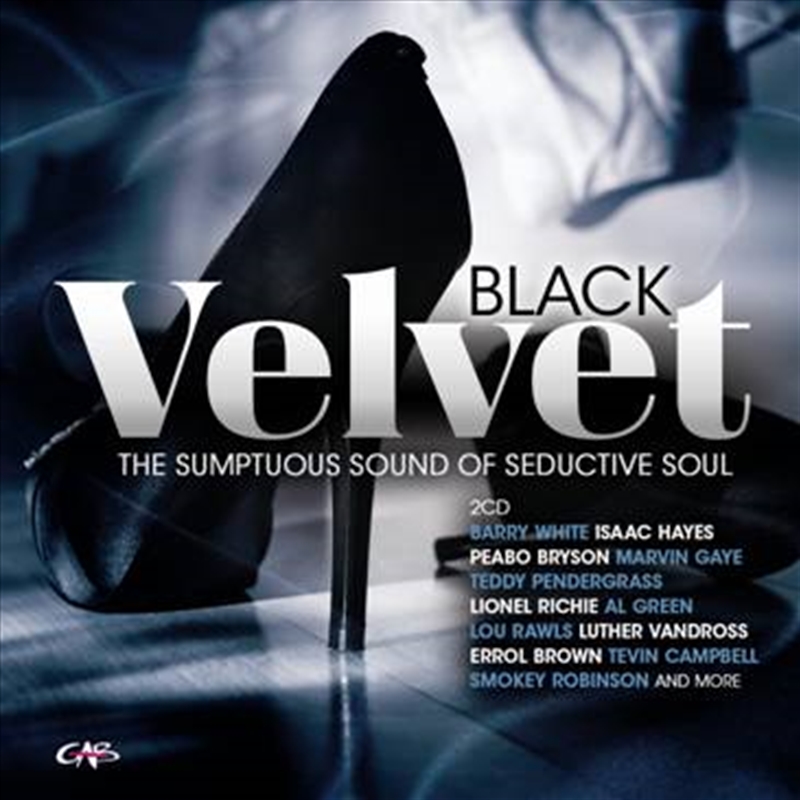
Title: Black Velvet: Sumptuous Sound of Seductive Soul
Format: CD
Release Date: 10 Aug 2012
Artist: Various
Sku: 2213314
Catalogue No: 88725423812
Category: Various
DISC 1
Barry White - I’m Gonna Love You Just A Little More Baby
Teddy Pendergrass - Turn Off The Lights
Peabo Bryson - I’m So Into You
Luther Vandross - Never Too Much
Lou Rawls - You’ll Never Find Another Love Like Mine
Marvin Gaye - Let’s Get It On
Lionel Richie - Say You, Say Me
Al Green - How Do You Mend A Broken Heart?
Jerry Butler - Only The Strong Survive
The Manhattans - Kiss And Say Goodbye
Billy Paul - Me And Mrs. Jones
The Isley Brothers - Between the Sheets
Johnny Gill - My,My,My
Errol Brown - This Time It’s Forever
Jeffrey Osborne - You Should Be Mine
Bobby Bland - Ain’t No Love In The Heart Of The City
Barry White & Isaac Hayes - Dark And Lovely (You Over There)
DISC 2
Lou Rawls - Lady Love
Marvin Gaye - Sexual Healing
Smokey Robinson - Being With You
David Ruffin - Walk Away From Love
Eddie Kendricks - Intimate Friends
Percy Sledge - When A Man Loves A Woman
Otis Redding - Try A Little Tenderness
Ben E. King - Stand By Me
Donny Hathaway - I Love You More Than You’ll Ever Know
Teddy Pendergrass - You’re My Latest Greatest Inspiration
The Manhattans - We’ll have Forever To Love
Gerald Levert and Eddie Levert - Baby Hold On To Me
Tevin Campbell - Tell Me What You Want Me To Do
Freddie Jackson - Have you Ever Loved Somebody
Peabo Bryson - Feel The Fire
Errol Brown - Personal Touch
Kashif - I Just Gotta Have You
Donell Jones - Where I Wanna Be




 Sign In / Register