Backorder - BACKORDER
55 ELITE Points earned with this purchase! Earn 250 for a $10 Reward!
Not an ELITE Member? Join ELITE here
Buy Now & Pay Later With


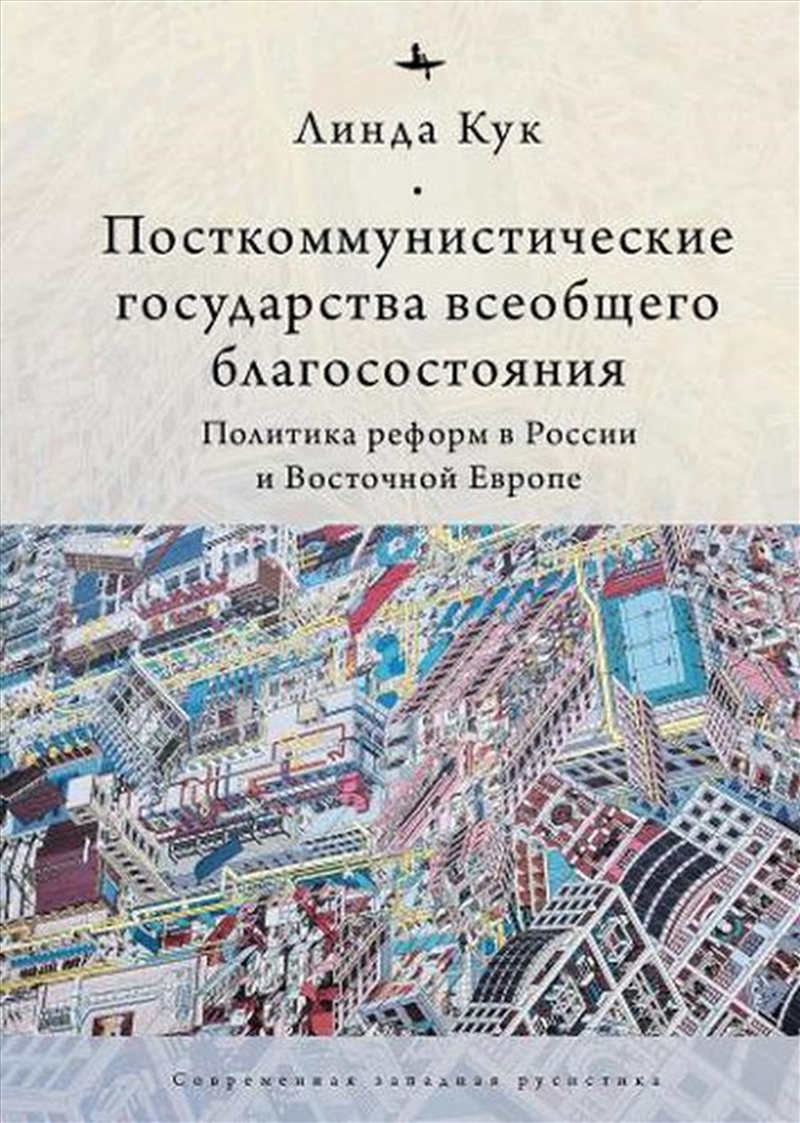
In the early 1990s, the countries of the former Soviet Bloc faced an urgent need to reform the systems by which they delivered broad, basic social welfare to their citizens. Inherited systems were inefficient and financially unsustainable. Linda J. Cook here explores the politics and policy of social welfare from 1990 to 2004 in the Russian Federation, Poland, Hungary, Belarus, and Kazakhstan. Most of these countries, she shows, tried to institute reforms based on a liberal paradigm of reduced entitlements and subsidies, means-testing, and privatization. But these proposals provoked opposition from pro-welfare interests, and the politics of negotiating change varied substantially from one political arena to another. In Russia, for example, liberalizing reform was blocked for a decade. Only as Vladimir Putin rose to power did the country change its inherited welfare system.
Cook finds that the impact of economic pressures on welfare was strongly mediated by domestic political factors, including the level of democratization and balance of pro- and anti-reform political forces. Postcommunist welfare politics throughout Russia and Eastern Europe, she shows, are marked by the large role played by bureaucratic welfare stakeholders who were left over from the communist period and, in weak states, by the development of informal processes in social sectors.
In the early 1990s, the countries of the former Soviet Bloc faced an urgent need to reform the systems by which they delivered broad, basic social welfare to their citizens. Inherited systems were inefficient and financially unsustainable. Linda J. Cook here explores the politics and policy of social welfare from 1990 to 2004 in the Russian Federation, Poland, Hungary, Belarus, and Kazakhstan.
Most of these countries, she shows, tried to institute reforms based on a liberal paradigm of reduced entitlements and subsidies, means-testing, and privatization. But these proposals provoked opposition from pro-welfare interests, and the politics of negotiating change varied substantially from one political arena to another. In Russia, for example, liberalizing reform was blocked for a decade. Only as Vladimir Putin rose to power did the country change its inherited welfare system.
Cook finds that the impact of economic pressures on welfare was strongly mediated by domestic political factors, including the level of democratization and balance of pro- and anti-reform political forces. Postcommunist welfare politics throughout Russia and Eastern Europe, she shows, are marked by the large role played by bureaucratic welfare stakeholders who were left over from the communist period and, in weak states, by the development of informal processes in social sectors.
Title: Postcommunist Welfare States
Format: Paperback Book
Release Date: 03 Jun 2026
Author: Linda J. Cook
Sku: 3673593
Catalogue No: 9798897837649
Category: Politics & Government

 |
Help you find exactly what you are looking for, even if you aren't sure yourself! |
|
Track down the hard to find as quickly as possible - if it's available, we will get it! |
|
Deliver fast and friendly service to every customer. |
|
Provide you with the hottest, the latest and a great range. |
|
And if you're not satisified, you can exchange or with a receipt, get your money back - no questions asked! |
 Sign In / Register